Finding a reliable Sodium Hypochlorite exporter is critical for industries ranging from municipal water treatment to pharmaceutical synthesis. As a powerful oxidizing agent and disinfectant, sodium hypochlorite serves as the backbone for hygiene and safety standards globally, ensuring that water systems remain potable and industrial environments remain sterile.
The global demand for high-purity bleach solutions has surged, driven by stringent healthcare regulations and the increasing need for efficient industrial water treatment chemicals. For procurement managers and chemical engineers, the challenge lies not just in finding a supplier, but in partnering with an exporter who understands the volatile nature of the product and the logistical precision required for international shipping.
Understanding the nuances of sourcing from a professional Sodium Hypochlorite exporter allows businesses to optimize their operational costs while maintaining the highest safety benchmarks. By focusing on stability, concentration accuracy, and sustainable supply chains, companies can secure a competitive edge in their respective manufacturing and sanitation sectors.
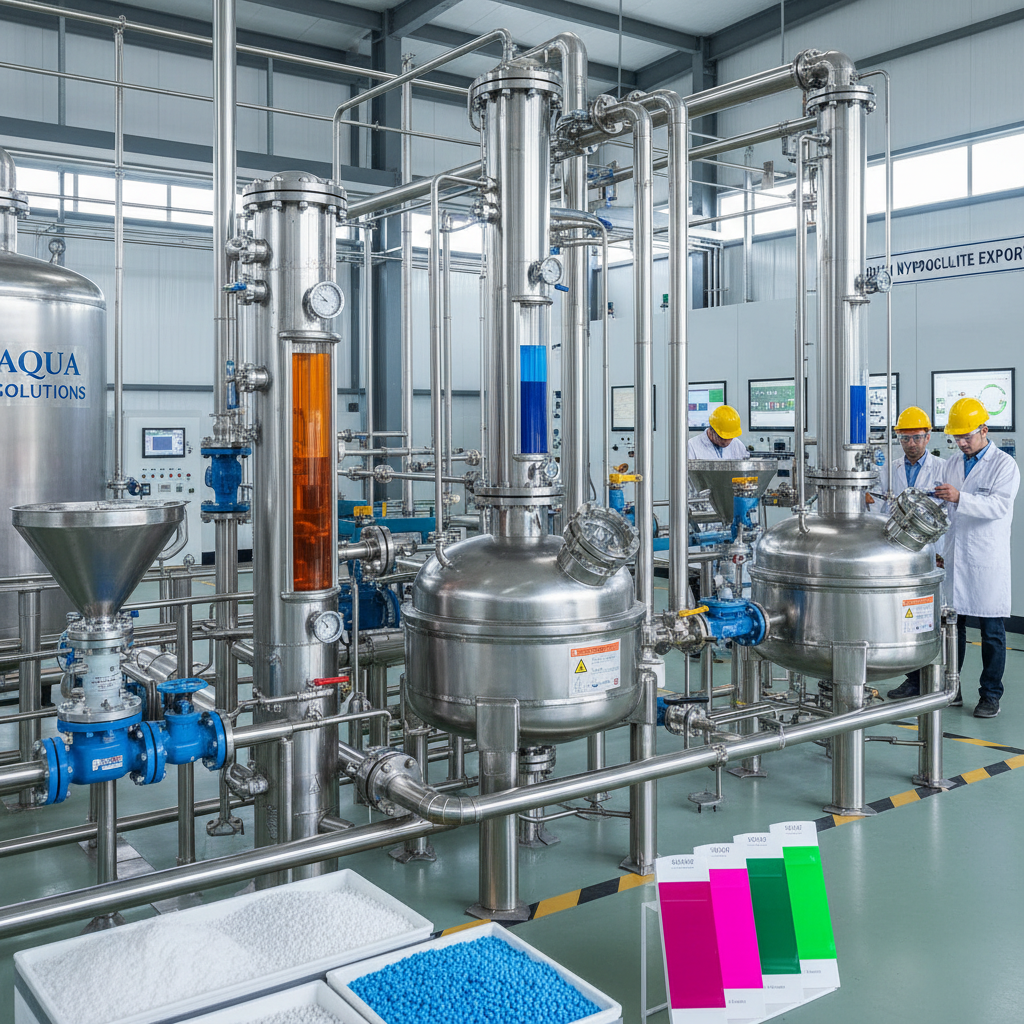
Global Market Dynamics of Sodium Hypochlorite exporter
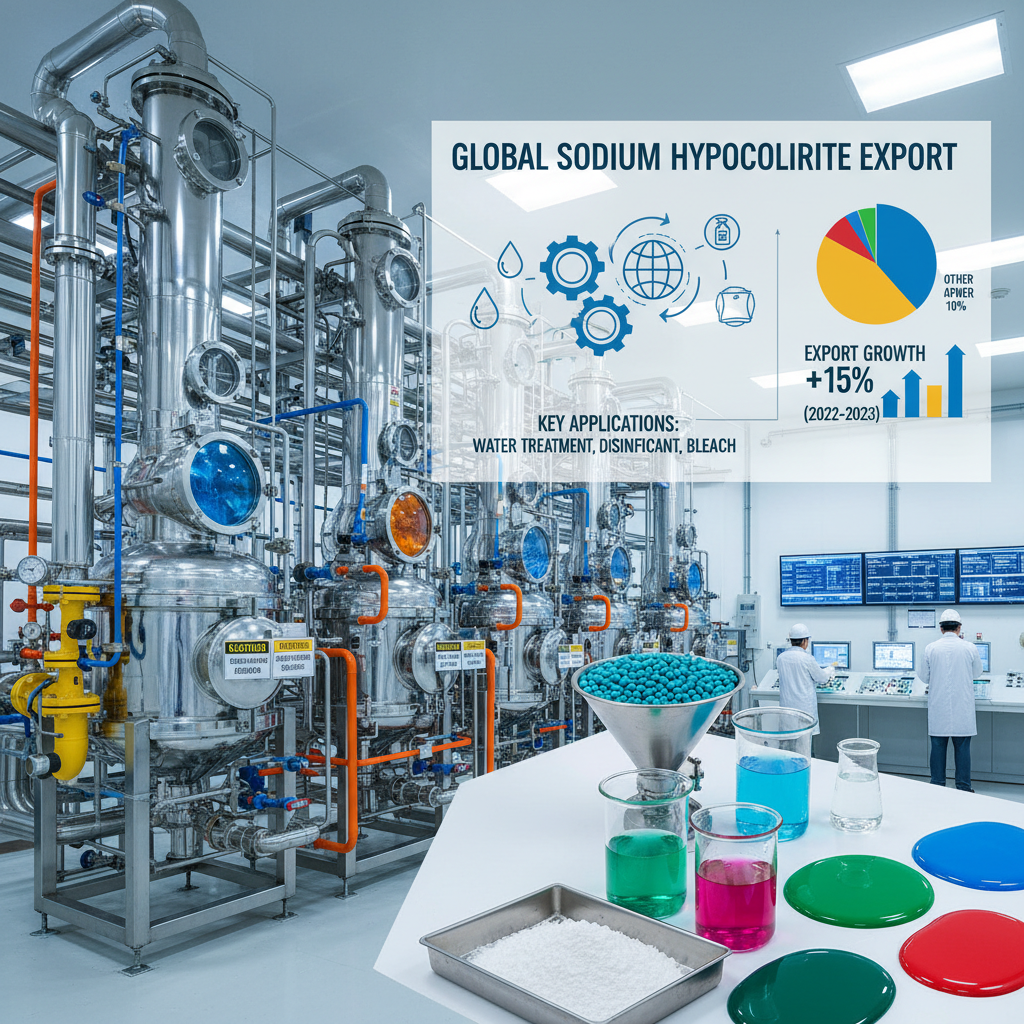
The international landscape for a Sodium Hypochlorite exporter is characterized by high volume and strict regulatory oversight. According to global trade data, the demand for disinfectant chemicals has seen a steady CAGR growth, particularly in emerging economies where water infrastructure is being modernized. This shift has positioned exporters in chemical-manufacturing hubs as pivotal players in global public health.
However, the market faces significant volatility due to the raw material costs of chlorine and caustic soda. A professional exporter must balance these fluctuations while adhering to ISO standards and international maritime dangerous goods (IMDG) codes. This complexity ensures that only those with robust supply chain integration can maintain consistent delivery schedules and product purity.
Defining the Role of a Sodium Hypochlorite exporter
In simple terms, a Sodium Hypochlorite exporter is more than just a shipping agent; they are a technical intermediary that ensures a highly reactive chemical is produced, stabilized, and transported without degrading. Because sodium hypochlorite decomposes over time—especially when exposed to light or heat—the exporter's role involves precise temperature control and the use of specialized UV-protected packaging.
From a humanitarian perspective, these exporters are essential for providing the means to combat waterborne diseases in remote regions. By exporting high-concentration solutions that can be diluted locally, they enable the rapid deployment of sanitation systems in post-disaster zones or underdeveloped urban areas, directly impacting millions of lives through clean water access.
Furthermore, within the industrial sphere, the exporter bridges the gap between large-scale electrolysis plants and end-users like pool maintenance companies or pharmaceutical labs. This connectivity allows for a streamlined flow of "Fine Chemicals" and "Water Treatment Chemicals," ensuring that industry-specific purity grades are met for sensitive applications.
Core Quality Factors in Chemical Exporting
When evaluating a Sodium Hypochlorite exporter, the first critical factor is Concentration Stability. The active chlorine content must be guaranteed at the point of delivery, not just at the point of manufacture, requiring the exporter to utilize advanced stabilization techniques.
Secondly, Regulatory Compliance is paramount. A top-tier Sodium Hypochlorite exporter must provide comprehensive Material Safety Data Sheets (MSDS) and ensure all shipments comply with the REACH regulations in Europe or the EPA guidelines in the United States.
Finally, Scalability and Lead Time define the operational reliability of the partnership. Whether the requirement is for small-batch pharmaceutical intermediates or massive industrial water treatment volumes, the exporter must demonstrate the ability to scale production without compromising the chemical's purity or safety.
Industrial Applications and Global Use Cases
The versatility of products provided by a Sodium Hypochlorite exporter is evident in its widespread application. In the pharmaceutical sector, it is used for equipment sterilization and as a reagent in certain organic synthesis processes. Meanwhile, the "Pool & Spa Water Treatment" industry relies on it for the elimination of algae and pathogens, ensuring safe recreational environments.
In real-world contexts, we see these chemicals deployed in massive scale within municipal water plants in Southeast Asia to provide safe drinking water to millions. Additionally, in the food and beverage industry, it is used for the sanitization of processing surfaces, preventing cross-contamination and ensuring food safety standards are upheld across international borders.
Comparative Efficiency of Sodium Hypochlorite exporter Logistics
Long-Term Value and Strategic Advantages
Partnering with a specialized Sodium Hypochlorite exporter provides a tangible logical advantage: cost reduction through bulk procurement and optimized logistics. By eliminating unnecessary middlemen, companies can secure a more stable pricing model, protecting their bottom line from the erratic price swings of the global chlorine market.
Beyond the financial metrics, there is an emotional value rooted in trust and safety. Knowing that your disinfection chemicals are sourced from an exporter who prioritizes E-E-A-T (Experience, Expertise, Authoritativeness, and Trustworthiness) provides peace of mind. In an industry where a slight drop in concentration can lead to failed sanitation audits or public health risks, reliability is the ultimate currency.
Future Innovations in Chlorine-Based Chemistry
The future of the Sodium Hypochlorite exporter landscape is leaning heavily toward "Green Chemistry." We are seeing a transition toward more sustainable production methods that reduce the carbon footprint of electrolysis and implement closed-loop recycling for packaging materials, reducing plastic waste in the global supply chain.
Digital transformation is also playing a key role. Advanced IoT tracking is now being integrated into shipping containers, allowing the exporter and the buyer to monitor the temperature and stability of the sodium hypochlorite in real-time. This ensures that if a shipment exceeds a temperature threshold, corrective action can be taken before the product degrades.
Furthermore, there is a growing trend toward the integration of automated dosing systems provided by the exporter. Instead of simply shipping a chemical, exporters are becoming solution providers, offering the hardware and software necessary to optimize the use of sodium hypochlorite, thereby reducing chemical waste and improving environmental outcomes.
Overcoming Logistics and Stability Challenges
One of the primary challenges for any Sodium Hypochlorite exporter is the inherent instability of the product. Sodium hypochlorite is prone to decomposition, especially when contaminated with trace metals or exposed to sunlight. Expert exporters solve this by using high-density polyethylene (HDPE) containers with specialized UV inhibitors.
Logistical hurdles, such as the "Dangerous Goods" classification, often complicate international shipping. To overcome this, professional exporters utilize a network of certified logistics partners who specialize in hazardous materials, ensuring that all customs documentation is flawless to avoid costly delays at ports of entry.
Finally, the challenge of maintaining concentration during long sea voyages is addressed through the use of stabilizers and precise temperature-controlled environments. By implementing a rigorous quality control check at both the loading and unloading points, exporters provide a guarantee of potency that is essential for industrial users.
Analysis of Sodium Hypochlorite Export Logistics and Stability
| Challenge Category |
Impact on Quality |
Exporter Solution |
Efficiency Score (1-10) |
| Thermal Degradation |
Loss of active chlorine |
Refrigerated containers (Reefers) |
9 |
| UV Exposure |
Rapid decomposition |
Opaque HDPE Packaging |
10 |
| Customs Delays |
Extended shelf-life risk |
Pre-cleared DG documentation |
8 |
| Contamination |
Catalytic breakdown |
Medical-grade lining |
7 |
| Volume Loss |
Inconsistent dosing |
Precision filling technology |
9 |
| Shipping Costs |
Increased end-user price |
Strategic port consolidation |
8 |
FAQS
You should prioritize exporters who provide certified analysis reports (COA) for every batch, have a proven track record of IMDG compliance for shipping, and offer stability guarantees. A reliable exporter will also have a transparent quality control process and provide clear guidance on storage conditions to prevent product degradation during transit.
Experienced exporters use a combination of UV-protected HDPE drums, temperature-controlled shipping containers, and chemical stabilizers. They often optimize shipping routes to minimize time in transit and use "first-in, first-out" inventory management to ensure the freshest product is dispatched.
Yes, professional exporters offer various grades, including technical grade for industrial water treatment and high-purity grades for pharmaceutical intermediates or laboratory use. They can customize the concentration (e.g., 5%, 10%, or 12.5%) based on the client's specific operational requirements.
Sodium hypochlorite is corrosive and can release toxic chlorine gas if mixed with acids. The primary risks include container leakage and chemical reactions due to contamination. A qualified exporter mitigates these risks through double-walled packaging, rigorous leak testing, and detailed emergency response instructions included in the shipment.
They manage this by ensuring all paperwork, including the Bill of Lading and the Dangerous Goods Declaration, is perfectly aligned with international law. They utilize certified DG agents to handle port logistics, ensuring the cargo is stored in designated hazardous material zones to prevent accidents and avoid customs fines.
Importing high-concentration solutions is generally more cost-effective because it reduces the volume of water being shipped, significantly lowering freight costs and the number of containers required. The end-user then dilutes the concentrate locally to the desired strength, which is the standard practice for industrial-scale operations.
Conclusion
Selecting the right Sodium Hypochlorite exporter is a strategic decision that impacts everything from operational efficiency to public safety. By focusing on concentration stability, regulatory compliance, and logistics expertise, businesses can ensure a steady supply of this essential disinfectant while minimizing the risks associated with hazardous chemical transport.
As the industry moves toward greener chemistry and smarter logistics, the role of the exporter will continue to evolve from a simple supplier to a comprehensive solution provider. We encourage procurement professionals to seek partners who invest in sustainability and digital tracking to future-proof their supply chains. For high-quality chemical sourcing, visit our website: www.leache-chem.com