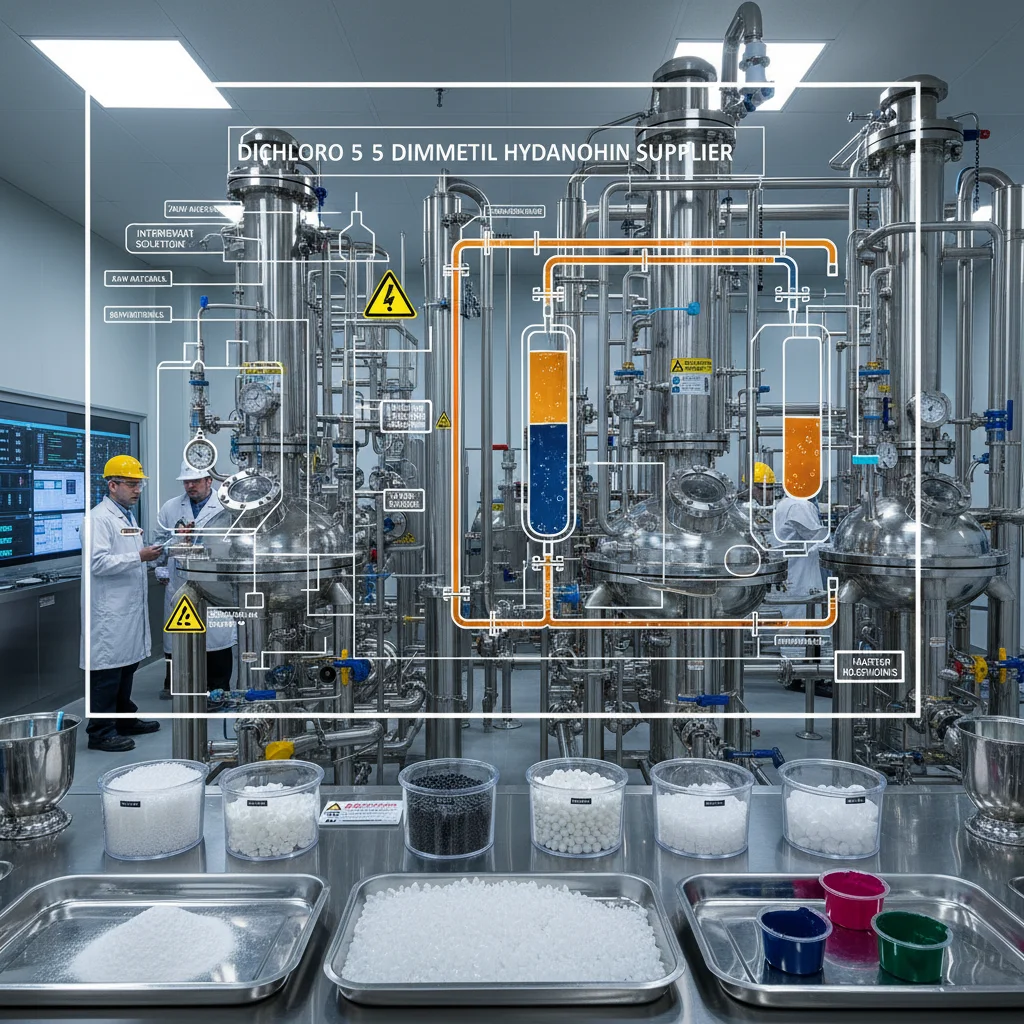
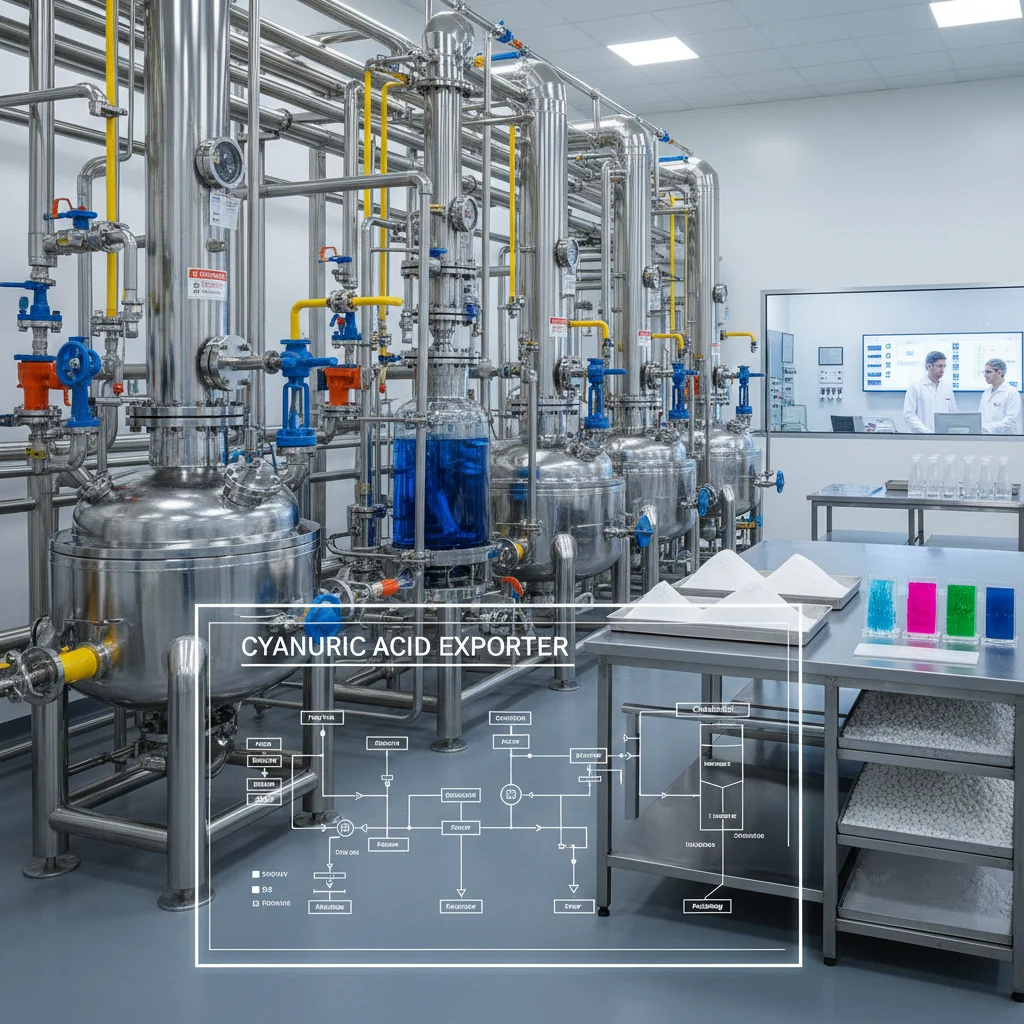
Dichloro 5 5 Dimethyl Hydantoin factory plays a crucial role in modern water treatment, industrial sanitation, and even consumer product formulations. The global demand for effective disinfection and oxidation agents continues to rise, driven by increasing awareness of public health and stringent environmental regulations. This demand necessitates robust and reliable manufacturing capabilities, making the presence of efficient Dichloro 5 5 Dimethyl Hydantoin factories vital worldwide.
The importance of these facilities extends beyond simply producing the chemical compound itself. They represent a cornerstone of supply chains for numerous industries, from swimming pool maintenance and healthcare to textile bleaching and oil & gas applications. Efficient production at a Dichloro 5 5 Dimethyl Hydantoin factory directly impacts the cost-effectiveness and accessibility of these essential services.
Understanding the intricacies of a Dichloro 5 5 Dimethyl Hydantoin factory - its processes, quality control measures, and logistical capabilities - is therefore paramount for anyone involved in these downstream applications. A commitment to responsible manufacturing and sustainable practices within these factories is also critical for minimizing environmental impact and ensuring long-term viability.
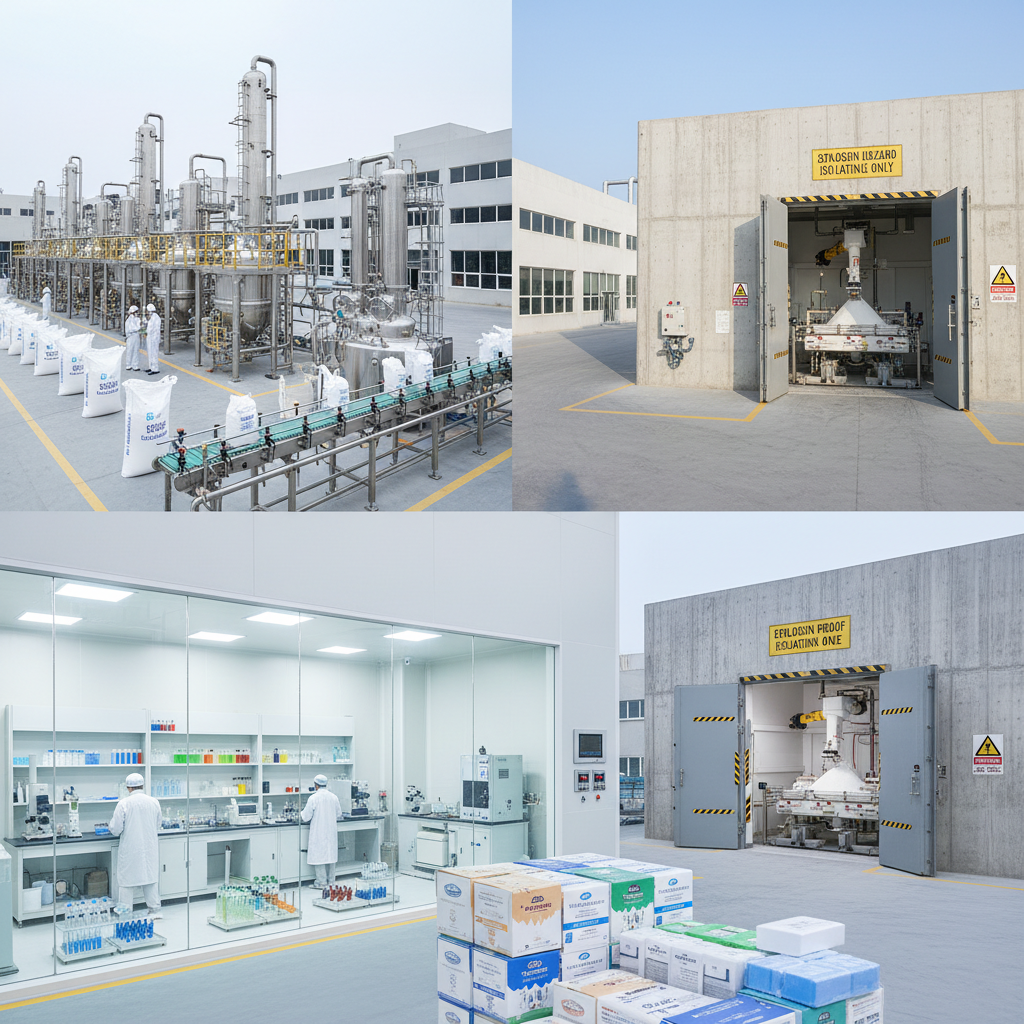
The Significance of Dichloro 5 5 Dimethyl Hydantoin Factories
A Dichloro 5 5 Dimethyl Hydantoin factory isn’t simply a production site; it’s a critical component of public health infrastructure and industrial efficiency. These factories are responsible for converting raw materials into a highly effective biocide used across a spectrum of applications. The sheer scale of demand necessitates specialized facilities capable of handling the complexities of this chemical process safely and efficiently.
The location and operational standards of a Dichloro 5 5 Dimethyl Hydantoin factory have significant implications for both environmental impact and product quality. Modern facilities are increasingly focused on sustainable manufacturing practices and rigorous quality control, ensuring compliance with international standards and minimizing waste.
Global Context and Industry Relevance
The global market for biocides, including those utilizing Dichloro 5 5 Dimethyl Hydantoin, is estimated to be worth billions of dollars annually, with steady growth projected for the coming years. This growth is fueled by increasing populations, rising awareness of hygiene and sanitation, and expanding industrial applications. According to the World Health Organization, access to safe water and sanitation remains a significant challenge in many parts of the world, driving demand for effective disinfection agents.
The ISO 9001 certification is becoming increasingly essential for Dichloro 5 5 Dimethyl Hydantoin factories aiming to compete in the international market. This certification demonstrates a commitment to quality management systems and ensures consistent product performance. Furthermore, adherence to regulations set by organizations like the EPA (Environmental Protection Agency) and REACH (Registration, Evaluation, Authorisation and Restriction of Chemicals) is crucial for market access.
A core challenge facing the industry is balancing increased demand with environmental sustainability. The responsible management of byproducts and waste streams is paramount. Therefore, advanced Dichloro 5 5 Dimethyl Hydantoin factories are adopting innovative technologies to minimize their ecological footprint.
Defining Dichloro 5 5 Dimethyl Hydantoin Factory Capabilities
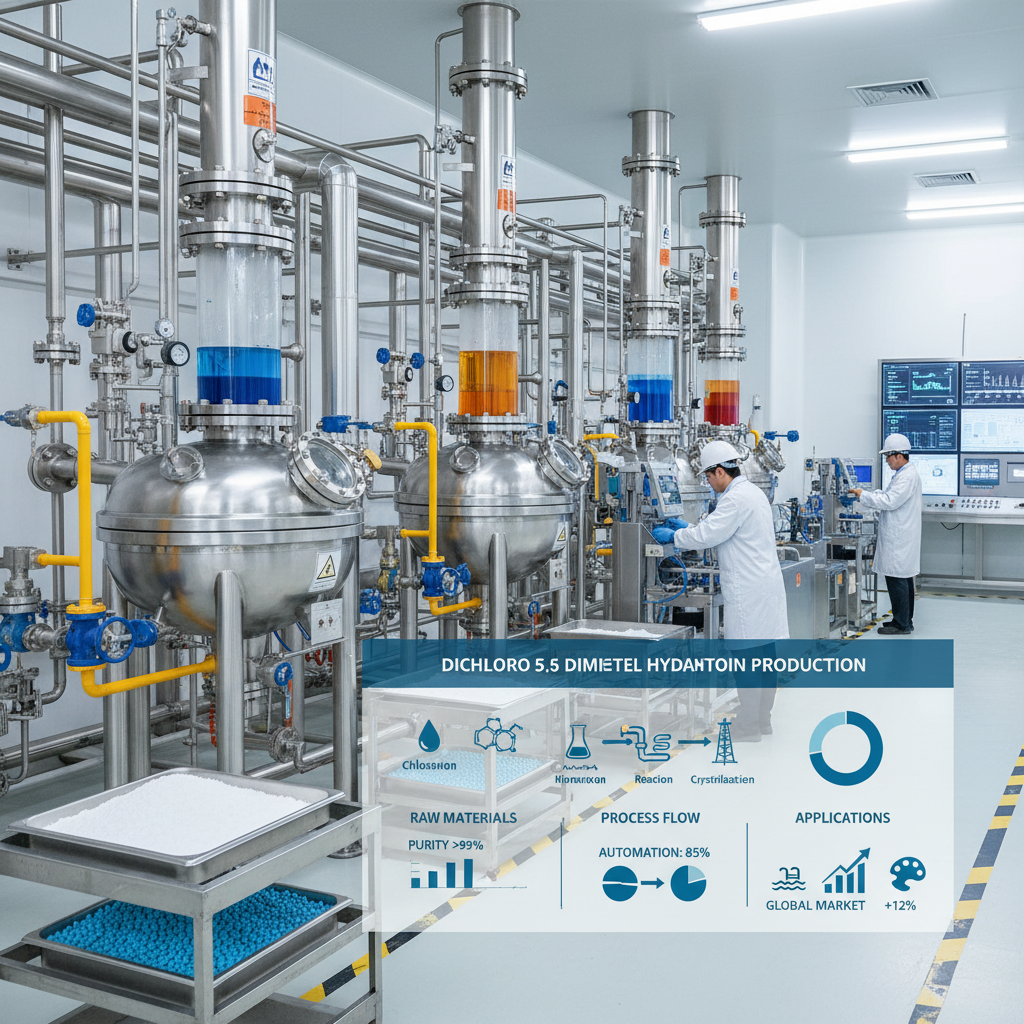
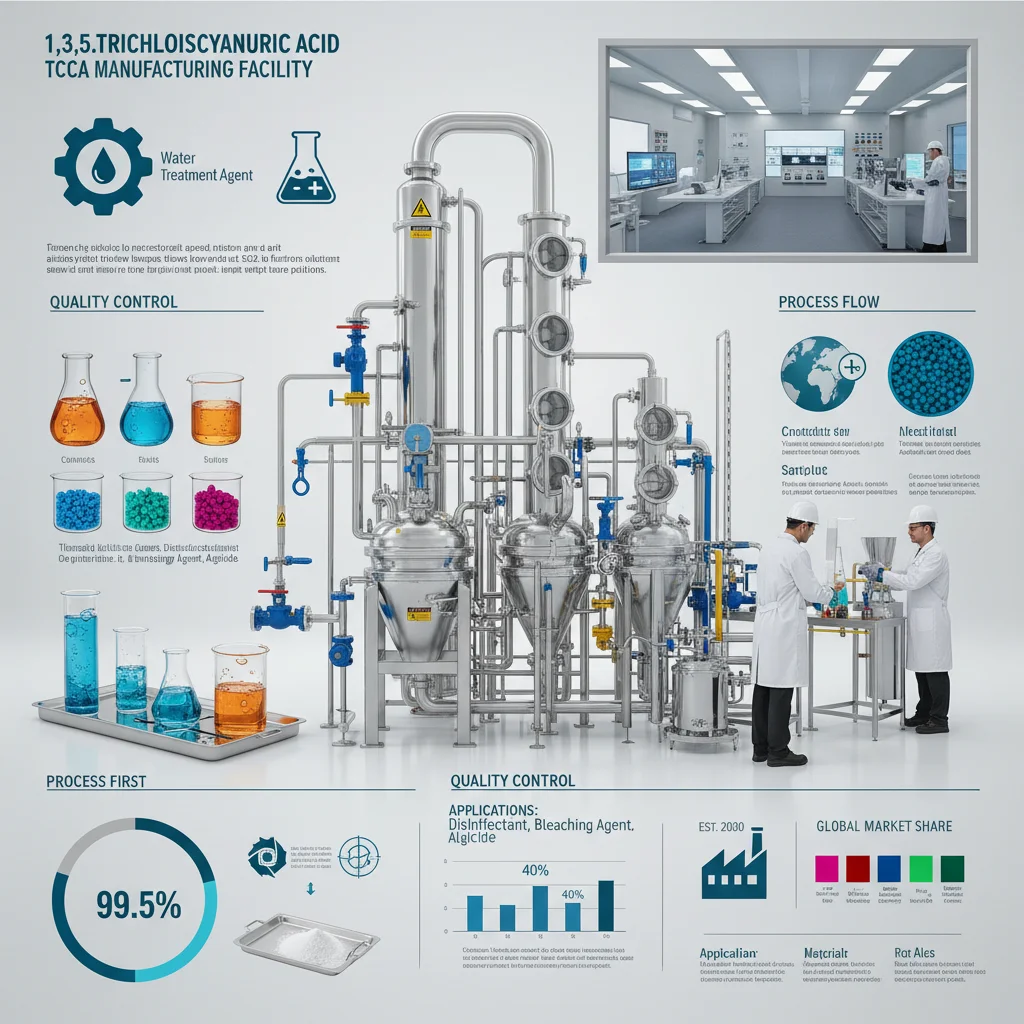
A Dichloro 5 5 Dimethyl Hydantoin factory is a specialized chemical manufacturing facility dedicated to the production of this organic compound. It differs significantly from generic chemical plants due to the specific synthesis pathways and rigorous safety protocols required. These factories typically possess dedicated production lines, sophisticated analytical laboratories, and robust quality control systems.
The core competency of a Dichloro 5 5 Dimethyl Hydantoin factory lies in the controlled chlorination of dimethylhydantoin. This process requires precise monitoring of temperature, pH, and chlorine levels to ensure optimal yield and product purity. The resulting product is then processed, dried, and packaged according to specific industry standards and customer requirements.
The connection to modern industry and humanitarian needs is direct. Dichloro 5 5 Dimethyl Hydantoin is a vital ingredient in water purification systems, swimming pool sanitizers, industrial coolants, and even certain pharmaceutical formulations. The ability of a factory to consistently deliver high-quality product is therefore critical for maintaining public health and supporting diverse industrial processes.
Key Operational Factors of a Dichloro 5 5 Dimethyl Hydantoin Factory
Successful operation of a Dichloro 5 5 Dimethyl Hydantoin factory hinges on several crucial factors. Raw Material Sourcing is paramount; consistent access to high-quality dimethylhydantoin and chlorine is essential for maintaining production schedules and product quality.
Process Control is another key aspect. Precise control of reaction parameters, such as temperature, pH, and chlorine dosage, is critical for optimizing yield and minimizing the formation of unwanted byproducts. Safety Protocols are non-negotiable, given the hazardous nature of chlorine and the reactive nature of the chemical process. Quality Assurance, including rigorous testing of raw materials and finished products, ensures compliance with industry standards. Environmental Management focused on waste reduction and effluent treatment is becoming increasingly important for sustainability. Logistics and Distribution ensures timely delivery to meet customer demands.
Production Efficiency Metrics of a Dichloro 5 5 Dimethyl Hydantoin Factory
Applications and Global Distribution Networks
Dichloro 5 5 Dimethyl Hydantoin’s versatility leads to diverse applications. It’s a primary disinfectant in swimming pools and spas, effectively controlling algae and bacteria. Industrially, it's used as a bleaching agent in textile production, a biocide in cooling water systems, and a sanitizer in food processing facilities. It also serves as a key component in certain household cleaning products.
Global distribution networks for Dichloro 5 5 Dimethyl Hydantoin typically involve a combination of direct sales to large industrial consumers and distribution through specialized chemical distributors. Key regions with significant demand include North America, Europe, Asia-Pacific, and Latin America. The establishment of regional warehouses and strategic partnerships with logistics providers is crucial for ensuring timely delivery and minimizing transportation costs.
In post-disaster relief operations, Dichloro 5 5 Dimethyl Hydantoin is invaluable for providing safe drinking water in emergency situations. Its portability and effectiveness make it a preferred choice for humanitarian organizations responding to crises.
Advantages and Sustainable Value Proposition
The advantages of using Dichloro 5 5 Dimethyl Hydantoin are numerous. It offers a high available chlorine content, ensuring potent disinfection. Its stable formulation allows for easy handling and storage. Compared to some alternative biocides, it’s relatively cost-effective.
The long-term value extends beyond immediate cost savings. Responsible manufacturing practices at a Dichloro 5 5 Dimethyl Hydantoin factory contribute to sustainability by minimizing waste and reducing environmental impact. Investing in advanced technologies can further enhance efficiency and reduce energy consumption, aligning with global efforts to promote green chemistry and circular economy principles.
Future Trends and Innovations in Dichloro 5 5 Dimethyl Hydantoin Production
The future of Dichloro 5 5 Dimethyl Hydantoin factories will be shaped by several emerging trends. Increased automation and process control systems, driven by advancements in digital technology, will optimize production efficiency and reduce human error. The development of more sustainable raw material sources, such as bio-based dimethylhydantoin, is another area of active research.
Furthermore, there's growing interest in developing closed-loop systems that recover and reuse valuable byproducts, minimizing waste and reducing the environmental footprint. The adoption of real-time monitoring and analytics will enable proactive maintenance and optimization of plant performance.
Challenges and Solutions
One primary challenge facing Dichloro 5 5 Dimethyl Hydantoin factories is the safe and responsible handling of chlorine, a highly corrosive and toxic substance. Implementing robust safety protocols, investing in advanced leak detection systems, and providing comprehensive training to personnel are crucial for mitigating these risks.
Another challenge is managing the production of chlorinated byproducts, which can pose environmental concerns. Innovative treatment technologies, such as advanced oxidation processes, can effectively remove these contaminants from wastewater. Furthermore, optimizing process parameters to minimize byproduct formation is a key area of research.
Finally, ensuring a stable and reliable supply of raw materials is essential. Establishing long-term contracts with reputable suppliers and diversifying sourcing options can help mitigate supply chain disruptions.
Summary of Challenges and Proposed Solutions for Dichloro 5 5 Dimethyl Hydantoin Factory Operations
| Challenge Area |
Severity (1-10) |
Proposed Solution |
Implementation Cost (USD) |
| Chlorine Handling Safety |
9 |
Enhanced Leak Detection & Safety Training |
50,000 |
| Chlorinated Byproduct Management |
8 |
Advanced Oxidation Process Implementation |
150,000 |
| Raw Material Supply Chain Resilience |
7 |
Diversified Sourcing & Long-Term Contracts |
20,000 |
| Process Optimization for Yield |
6 |
Real-Time Monitoring & Data Analytics |
75,000 |
| Energy Consumption Reduction |
5 |
Equipment Upgrades & Process Redesign |
100,000 |
| Waste Water Treatment Efficiencies |
7 |
Implementation of Membrane Bioreactor Technology |
120,000 |
FAQS
Modern Dichloro 5 5 Dimethyl Hydantoin factories prioritize safety through multi-layered systems. These include automated chlorine handling systems to minimize human exposure, redundant leak detection sensors with alarm systems, rigorous operator training programs, and dedicated emergency response teams. Regular safety audits and adherence to strict regulatory standards are also crucial components of the safety protocol. Furthermore, comprehensive personal protective equipment (PPE) protocols are in place for all personnel working within the production area.
Quality control begins with rigorous testing of all incoming raw materials to ensure they meet stringent purity standards. Throughout the production process, samples are continuously analyzed using advanced analytical techniques, such as gas chromatography and titration, to monitor reaction parameters and product composition. Finished products undergo final quality checks to verify chlorine content, moisture levels, and other critical specifications before being released for distribution. Batch traceability systems are in place to track each product back to its originating raw materials.
Responsible factories implement various environmental safeguards. Wastewater treatment systems are employed to remove chlorinated byproducts and other contaminants before discharge. Air emission control technologies minimize the release of volatile organic compounds. Waste reduction strategies, including byproduct recovery and recycling, are prioritized. Furthermore, these facilities often invest in energy-efficient equipment and processes to reduce their carbon footprint. Regular environmental monitoring and reporting ensure compliance with local regulations.
Typical lead times vary depending on order volume, current production capacity, and shipping destination. For standard stock items, lead times are generally between 2-4 weeks. Larger, custom orders may require longer lead times, potentially ranging from 6-8 weeks. Factors such as raw material availability and transportation logistics can also influence delivery schedules. Communication with the factory’s sales and logistics team is key to obtaining accurate lead time estimates.
Key certifications to look for include ISO 9001 (quality management), ISO 14001 (environmental management), and compliance with relevant regional regulations, such as REACH (Europe) and EPA (United States). Factories should also provide Safety Data Sheets (SDS) for their products, outlining safety information and handling procedures. Verify that the factory adheres to Good Manufacturing Practices (GMP) to ensure consistent product quality and traceability.
Dichloro 5 5 Dimethyl Hydantoin factories utilize several strategies to mitigate the impact of fluctuating chlorine prices. These include establishing long-term supply contracts with chlorine providers to secure favorable pricing, implementing efficient inventory management systems to optimize chlorine storage and usage, and developing alternative sourcing options to reduce reliance on single suppliers. Some factories may also employ hedging strategies to protect against price volatility. Passing on reasonable cost adjustments to customers is also a common practice.
Conclusion
In summary, Dichloro 5 5 Dimethyl Hydantoin factories are vital to numerous industries, providing a crucial chemical compound essential for public health, sanitation, and industrial processes. Their significance extends beyond simple production, encompassing a commitment to safety, quality, sustainability, and responsible environmental practices. A focus on innovation and technological advancement will be key to addressing future challenges and meeting the growing global demand.
Investing in modern, efficient, and environmentally conscious Dichloro 5 5 Dimethyl Hydantoin factories is crucial for ensuring a reliable supply of this essential chemical and promoting a healthier and more sustainable future. We encourage potential partners to explore the capabilities and commitment to excellence offered by Dichloro 5 5 Dimethyl Hydantoin factory.