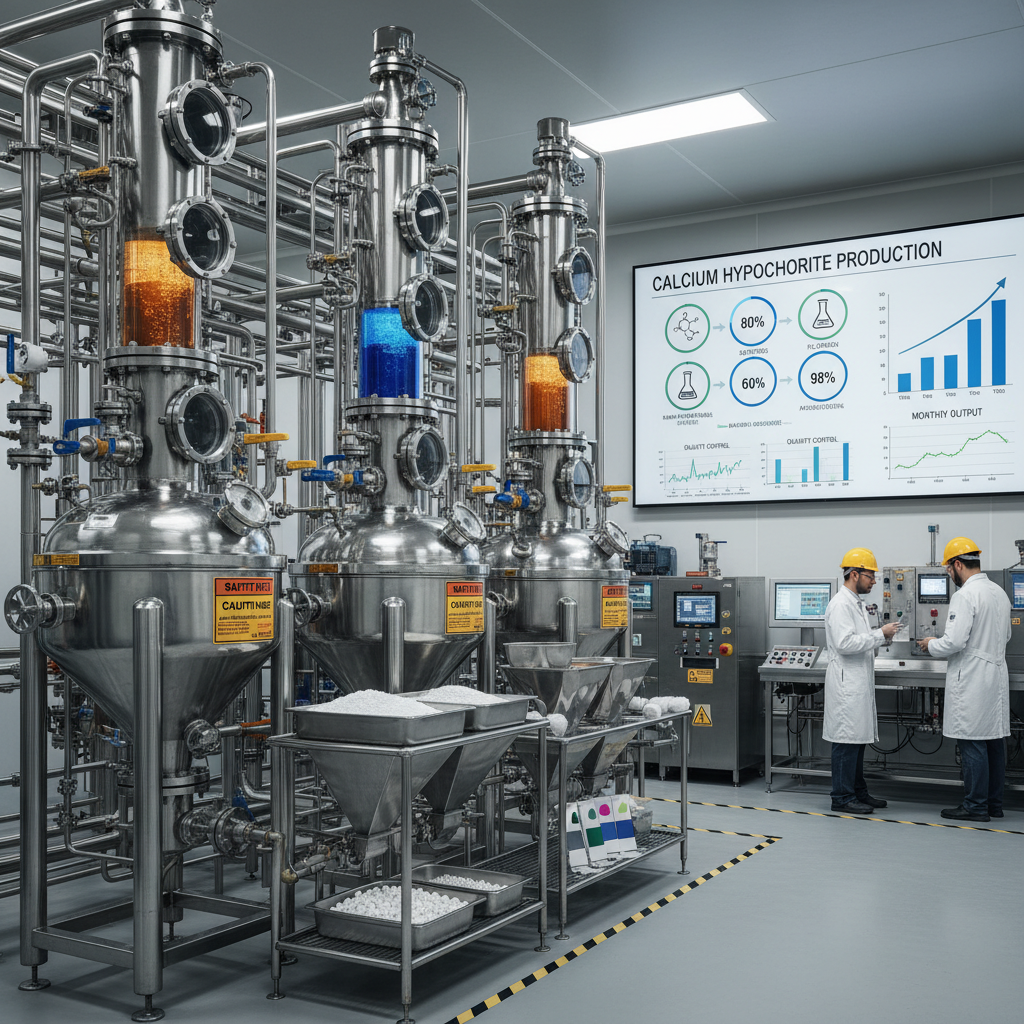
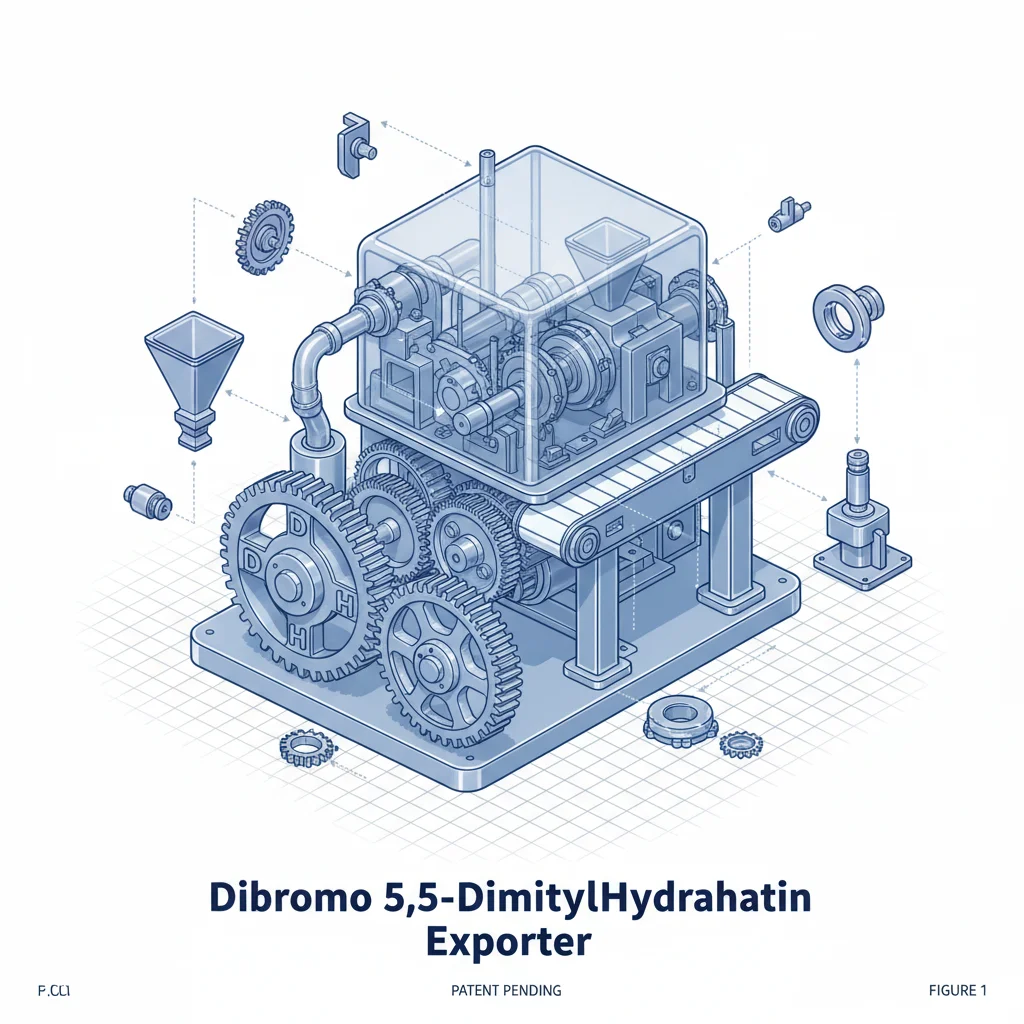
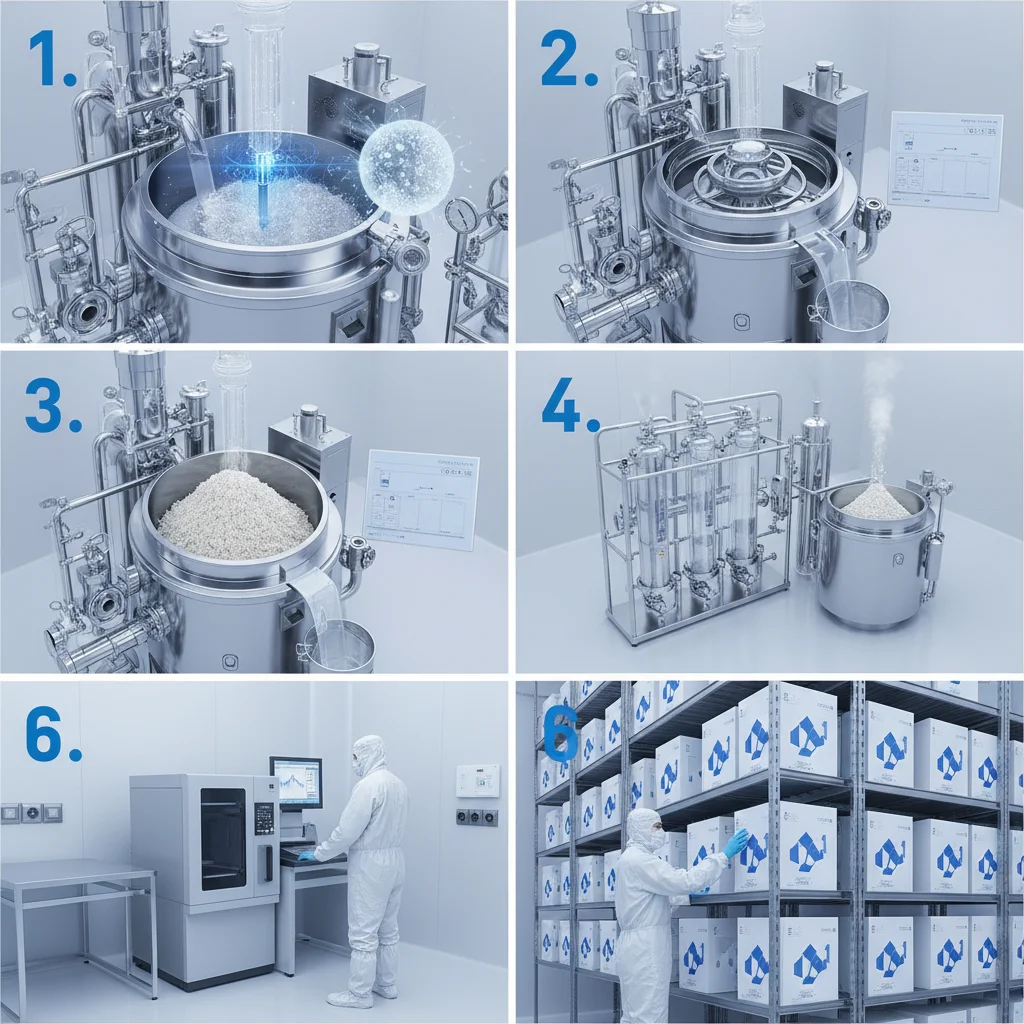
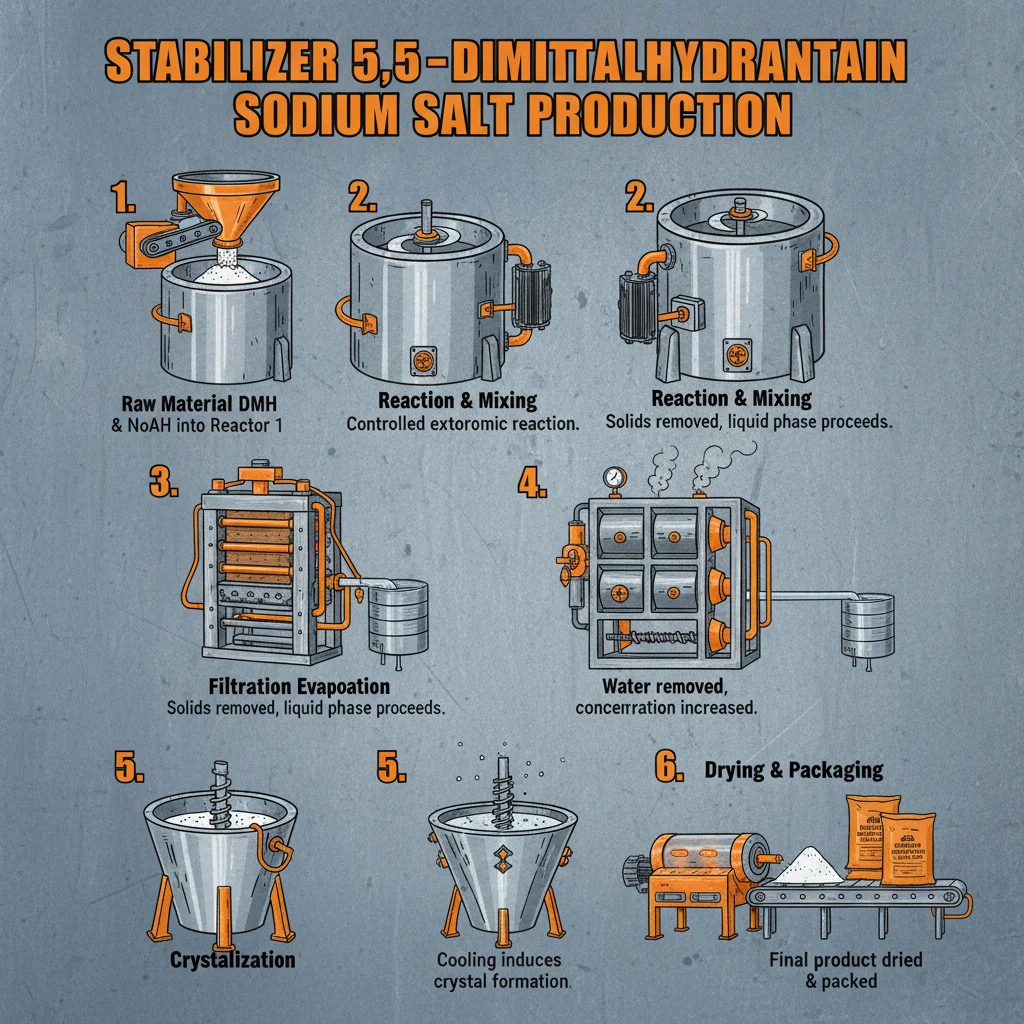
CalciumHypochlorite factory, honestly, it's the backbone of so much we rely on. It’s not glamorous work, dealing with the stuff – the dust, the handling – but you quickly realize how critical it is. From keeping our drinking water safe to disinfecting pools and controlling algae blooms, it's a silent protector. I spend a lot of time on site with the teams installing these systems, and the demand is steadily climbing, especially as water quality concerns become more pressing globally. It's not just about manufacturing the chemical itself; it's about building a reliable supply chain and having the infrastructure to handle it safely. That’s where the real complexities come in.
What I’ve seen is that the industry isn’t keeping up with the increased demand. Too many factories are running on old tech, leading to inconsistencies in product quality and potential safety hazards. The old way of doing things just won't cut it anymore. We need factories that prioritize precision, automation, and robust quality control. It impacts everything downstream, from municipal water treatment plants to individual pool owners. If the basic building blocks aren't right, nothing else works properly.
I've been working with a few CalciumHypochlorite factory teams recently, and the biggest issue I've encountered isn't the chemistry itself, but logistics. Getting the product where it needs to be, safely and efficiently, is a massive challenge. The whole system, from production to transportation, needs streamlining. That’s why I’m so focused on the advancements we’re seeing in plant design, focusing on modular construction and localized production to cut down on shipping times and associated risks.
The Global Significance of CalciumHypochlorite factory
Look, the numbers don’t lie. The UN estimates that over two billion people lack access to safely managed drinking water. That's a staggering figure. And, increasingly, that problem isn’t confined to developing nations; aging infrastructure in developed countries is leading to more frequent water contamination events. CalciumHypochlorite factory plays a vital role in bridging that gap, offering a readily available and effective method for disinfection. We’re talking about preventing waterborne diseases like cholera and typhoid, which are still major killers worldwide. The World Health Organization consistently recommends chlorine-based disinfection, and CalciumHypochlorite is a primary source.
The demand isn't just in emergency situations, either. With climate change impacting water sources, increasing algae blooms, and demanding higher purification standards, the need for reliable disinfection solutions is only going to grow. And it’s not just about drinking water, either. It’s crucial for wastewater treatment, keeping public pools safe, and controlling biofouling in industrial cooling systems. We’re facing a global water crisis, and CalciumHypochlorite factory is a critical line of defense.
Defining CalciumHypochlorite factory and Its Role
Alright, let’s break it down. A CalciumHypochlorite factory isn’t just a building where chemicals are mixed. It’s a complex operation, often involving electrolysis of brine to produce chlorine, which is then reacted with lime to form CalciumHypochlorite. The key is controlling that process – temperature, pH, concentration – because the purity and stability of the final product directly impact its effectiveness. We're talking about a compound used to sanitize everything from municipal water supplies to your backyard swimming pool.
It's a crucial part of modern public health infrastructure. Before the widespread adoption of chlorine-based disinfection, waterborne diseases were rampant. Now, it’s practically invisible – we take clean water for granted, but it’s a direct result of these types of factories and the skilled people who run them. It’s also essential in various industrial processes, including textile bleaching and paper production.
Beyond that, CalciumHypochlorite is valuable because it's relatively easy to transport and store compared to other disinfectants like chlorine gas. It's a solid, offering greater safety in handling. But, and this is important, it’s a strong oxidizer and needs to be handled with care and according to strict safety protocols. That’s where having a well-designed and operated factory is paramount.
Core Components of a Modern CalciumHypochlorite factory
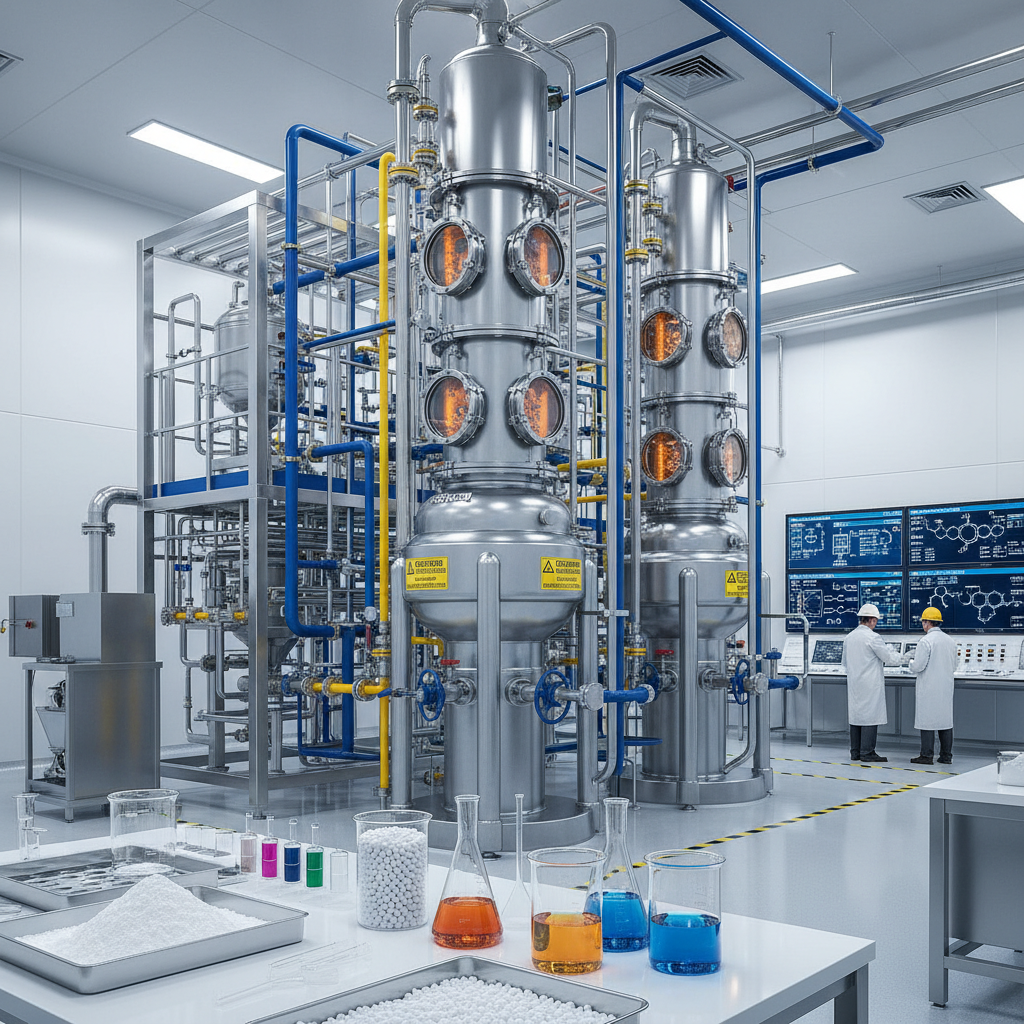
The heart of any CalciumHypochlorite factory is the electrolysis cell room. That's where the magic happens – converting saltwater into chlorine gas. But it's not just the cells themselves; it's the entire system – the power supply, the cooling system, the brine purification process. A lot of older plants still rely on mercury cells, which are incredibly efficient but pose significant environmental risks. The push now is towards membrane cell technology – it’s cleaner, safer, and more sustainable, even if it requires a higher upfront investment.
Beyond the electrolysis, you've got the reaction vessel where chlorine interacts with lime. Then comes the drying, crushing, and packaging stages. Crucially, modern factories incorporate advanced process control systems – sensors, automated valves, and data analytics – to monitor and adjust conditions in real-time, ensuring consistent product quality and minimizing waste. It's about moving beyond “feel” and relying on hard data.
Key Factors for Optimal CalciumHypochlorite factory Performance
Durability is huge. These aren’t operations you want to shut down for maintenance every other week. The materials of construction – everything from the electrodes to the piping – need to withstand the corrosive environment. That means using specialized alloys and coatings, and investing in regular inspections and preventative maintenance.
Scalability is also key. Demand fluctuates, and a factory needs to be able to ramp up or down production efficiently. Modular designs, where you can add or remove production units as needed, are becoming increasingly popular. Cost efficiency, of course, is always a factor. Optimizing energy consumption, minimizing waste, and automating processes can significantly reduce operating costs.
CalciumHypochlorite factory Performance Metrics
Global Applications and Use Cases of CalciumHypochlorite factory
In post-disaster relief operations, CalciumHypochlorite is a lifesaver. When water infrastructure is damaged, it provides a quick and effective way to disinfect water sources and prevent outbreaks of waterborne diseases. I've seen it deployed in emergency situations after hurricanes and earthquakes, and the impact is immediate.
In remote industrial zones, where access to centralized water treatment facilities is limited, these factories can provide a local source of disinfection chemicals. Think mining operations, oil fields, or remote agricultural communities. It’s about providing safe water where and when it’s needed, regardless of location.
Advantages and Long-Term Value of Investing in CalciumHypochlorite factory
The most tangible benefit is cost-effectiveness. When you look at the total cost of ownership – including production, transportation, and application – CalciumHypochlorite often comes out ahead compared to other disinfection methods. Beyond that, the social impact is immense. Preventing waterborne diseases reduces healthcare costs, improves public health, and boosts economic productivity.
There’s a real element of trust here too. Communities need to be confident in the safety of their water supply, and investing in reliable CalciumHypochlorite factory builds that confidence. And, increasingly, sustainability is becoming a key driver. Adopting membrane cell technology and optimizing energy consumption aren't just good for the environment, they're good for business.
Future Trends and Innovations in CalciumHypochlorite factory
We're seeing a lot of interest in incorporating renewable energy sources – solar and wind – to power these facilities. It's a way to reduce the carbon footprint and lower operating costs. Digital transformation is also playing a big role. Implementing advanced sensors, data analytics, and AI-powered process control systems can optimize production, improve product quality, and predict potential problems before they occur.
Another exciting area is the development of more efficient and environmentally friendly production methods. Researchers are exploring new catalysts and reaction pathways to reduce energy consumption and minimize waste generation. Automation, of course, is also key. Robotics can handle hazardous tasks, improve precision, and reduce labor costs.
Summary of Key Considerations for CalciumHypochlorite factory Advancements
| Technology Area |
Current Status |
Potential Impact |
Implementation Difficulty (1-10) |
| Membrane Cell Electrolysis |
Becoming increasingly standard, replacing mercury cells. |
Reduced environmental impact, improved safety. |
6 |
| Renewable Energy Integration |
Pilot projects underway, limited widespread adoption. |
Reduced carbon footprint, lower energy costs. |
7 |
| Advanced Process Control |
Growing adoption of sensors and data analytics. |
Improved product quality, optimized production. |
5 |
| Robotic Automation |
Limited use for hazardous tasks. |
Increased safety, reduced labor costs. |
8 |
| Modular Factory Design |
Emerging trend for increased scalability. |
Faster deployment, reduced capital costs. |
4 |
| Novel Catalyst Research |
Early-stage research, long development timelines. |
Reduced energy consumption, minimized waste. |
9 |
FAQS
CalciumHypochlorite is a strong oxidizer, meaning it readily reacts with organic materials. This poses risks of fire and explosions if not handled correctly. Strict adherence to safety protocols, including proper ventilation, the use of personal protective equipment (PPE), and segregation of incompatible materials, are crucial. Regular training for personnel is also vital to ensure they understand the hazards and emergency procedures.
The purity of brine (saltwater) and lime is paramount. Impurities can lead to reduced efficiency, lower product quality, and even the formation of undesirable byproducts. Contaminants can interfere with the electrolysis process, decrease the concentration of CalciumHypochlorite, and affect its stability during storage. Sourcing high-quality raw materials and implementing rigorous purification steps are essential.
Electrolysis cells require regular maintenance to ensure optimal performance and longevity. This includes periodic cleaning to remove scale buildup, inspection for corrosion or damage, and replacement of worn electrodes. The frequency of maintenance depends on the cell type, operating conditions, and brine quality, but a schedule of every 6-12 months is generally recommended. Proactive maintenance prevents costly downtime and extends the lifespan of the equipment.
Waste streams from a CalciumHypochlorite factory typically include spent brine, lime sludge, and off-spec product. Disposal methods must comply with local environmental regulations. Neutralization of acidic waste, proper landfilling of solid waste, and potentially recycling or repurposing of byproducts are common practices. Minimizing waste generation through process optimization is also crucial.
CalciumHypochlorite is hygroscopic, meaning it readily absorbs moisture from the air, which can lead to decomposition and reduced effectiveness. Packaging must be airtight and moisture-resistant, typically using multi-layer plastic bags or sealed containers. Proper storage in a cool, dry place is also essential to maximize shelf life. The packaging material should also be chemically compatible with CalciumHypochlorite to prevent corrosion or degradation.
Regulatory requirements vary depending on the location, but generally include permits for air emissions, wastewater discharge, and hazardous materials handling. Compliance with safety standards, such as those set by OSHA, is also essential. Environmental impact assessments may be required prior to construction. Ongoing monitoring and reporting are often necessary to demonstrate compliance with regulations.
Conclusion
CalciumHypochlorite factory is more than just a chemical process; it's a critical component of global public health and sanitation. From ensuring safe drinking water to controlling algae blooms, its impact is far-reaching. Investing in modern, efficient, and sustainable CalciumHypochlorite factory infrastructure is essential to address the growing challenges of water scarcity and contamination.
Looking ahead, innovation in areas like renewable energy integration, automation, and advanced process control will be key to unlocking even greater efficiency and sustainability. We need to prioritize these advancements to ensure a reliable and safe supply of this vital disinfectant for generations to come. Learn more and explore potential partnerships at CalciumHypochlorite factory.